Subscribe To This Site
XML RSS
Add to Google
Add to My Yahoo!
Add to My MSN
Subscribe with Bloglines

Home
Music Theory Blog
Sitemap
Why Theory First?
Music Practice
The Essentials
Grade 5
Book Reviews
Music Technology
Teaching Methods
Musicians Health
Your Stories
Music Cartoons
Bassoon Reeds
About Me

The Best Saxophone for your Child is...


Choosing the best saxophone can be a minefield as there are so many choices of instrument out there.

Where should you begin?

There has actually never been a better time to take up the saxophone. Even good quality instruments are cheaper today than 10 years ago. But there is still a lot of rubbish on the market, so choose carefully.(BEWARE of CHEAP INDIAN AND CHINESE INSTRUMENTS)

Firstly, decide which saxophone you want to play.

Soprano

Alto

Tenor

Baritone

The soprano is generally not recommended for beginners, because although it is small and light, it requires a very experienced and controlled embouchure (muscles used around the mouth to support the mouthpiece) to produce a good quality sound. It is also quite difficult to play in tune.

Most players start with the alto, as it is a manageable size, and cheaper than a tenor! I would say listen to altos and tenors being played, and if you are more drawn towards the tenor, then go for it. If you are not sure, start with the alto.

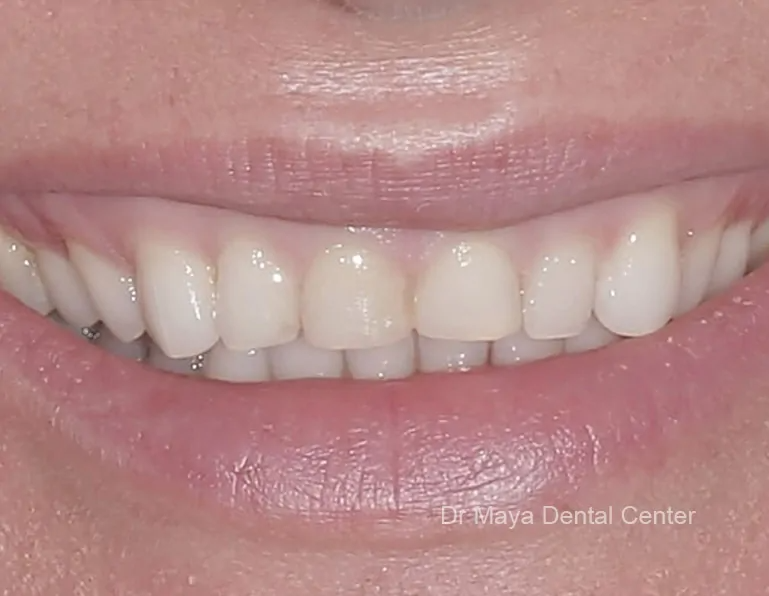
NOTE Children should not start to play a saxophone until they have their second set of front teeth fully formed, as there is a chance of dental problems caused by pressure on the growing teeth.

If you already play a little, then it's not too hard.

As with choosing any instrument it is worthwhile seeking some guidance. If you already have a teacher, it is worth asking their advice. It isn't much fun to arrive for your first lesson to find that the teacher doesn't like the one you have bought!

Shop more saxophone at Bizrate


Used Saxophone?

Your next decision is how much you want to spend and do you want to rent, buy new or second-hand?

To buy a new Alto Saxophone it will cost you from £300($300) and upwards.

For a new Tenor Saxophone you're looking at £450($700) and up.

A used saxophone can start a little cheaper but make sure that you buy from a reputable shop or take a professional with you who knows what to look for.

So the best saxophone for you is often governed by what you can afford, just remember that most of the time you get what you pay for and if you buy a cheap sax off ebay and wonder why it doesn't work then it's probably been made china and has never been tested before leaving the factory!

Watch Pete King show you what a saxophone can really do...


Saxophone Reeds

Reeds are the bane of every Saxophonist. The problem is that you have a piece of cane that used to be growing in the sun drenched waters of France being asked to work in a very hostile environment (your MOUTH!) and to behave the same way every time you get the instrument out of the box.

Because a piece of cane is just like a very thin piece of wood it changes when ever the temperature or the humidity changes or when it becomes just too waterlogged to work anymore.

So what can you do? Not much really. Depending on how much you play and what kind of playing you do, the reed could last a few days or a few weeks. You'll have to resign yourself to the fact that you'll be buying boxes of reeds from now until eternity.

But making sure your reed doesn't have last night's dinner or the latest shade of pink lipstick does help the reed last a little bit longer...

Reed Strength

Reed strength is indicated by a number (or designation) printed directly on the reed. Typical strengths are 2 or 2-1/2 (or a designation such as medium or medium hard). The strength needed depends on the individual player and the player's mouthpiece. A reed should provide resistance in order to achieve control and a good tone. However, a reed which is too strong will not respond adequately and may be breathy sounding or too hard to blow. A good private teacher can help decide which reed strength is best for you.

Student saxophone players often start on a 1 1/2 strength reed and professionals often play on 2-2 1/2. But it really depends on your mouthpiece.

Reed Rotation

Use a reed holder which can hold four reeds. Number the slots of the holder. Each time you rehearse or practice, use the next reed in the holder. For lessons, auditions, or performances, use your best reed. Replace one reed at a time in your rotation rather than all of them at once. A reed should be replaced if:

* the tip is chipped or split;

* it sounds bad or is hard to play several rotations in a row;

* it is more than three months old.

Always keep new, extra reeds in a safe place. The time to buy more reeds is when the supply of extras runs low.

When you have chosen the best saxophone for you, the reed is the next most important aspect. You can sound great with the right reed! and truly awful with the wrong reed!!

Click here for a great webpage on working with your saxophone reed

Saxophone Cleaning

There isn't much cleaning needed for a saxophone. But you must use a swab (a piece of cloth weighted to pull it through the instrument) to remove the water that builds up after playing.

The other part that does need some attention, preferably once a week, is the mouthpiece. You should use a bottle brush or toothbrush to clean the mouthpiece in warm water (and use antiseptic mouthwash if you have some lying around) so that bacteria doesn't start to build up and start to smell!

Cleaning the outside of the saxophone is relatively straightforward. Just get a good specialist cloth from your saxophone shop (I like the e-cloth) and wipe down the keys after playing.


Return from Best Saxophone to Which Musical Instrument?

Return to Homepage from Best Saxophone


Accredited Online Colleges